Impact & Results
Boots on the Ground — What Real Help Looks Like
Not theory. Not plans. Actual children in school. Actual meals on the table. Actual leaders teaching in communities that needed them.
Not theory. Not plans. Actual children in school. Actual meals on the table. Actual leaders teaching in communities that needed them.
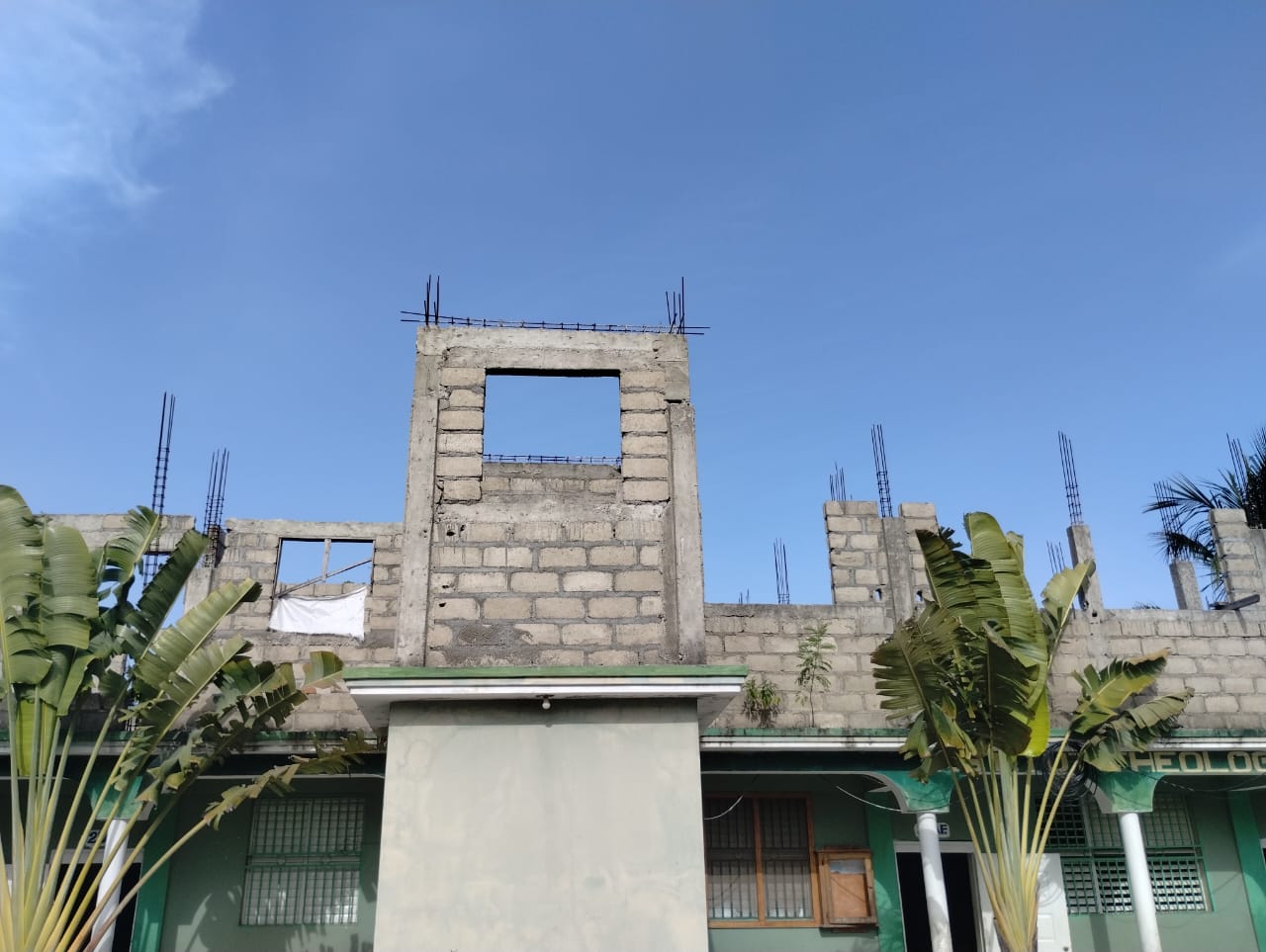
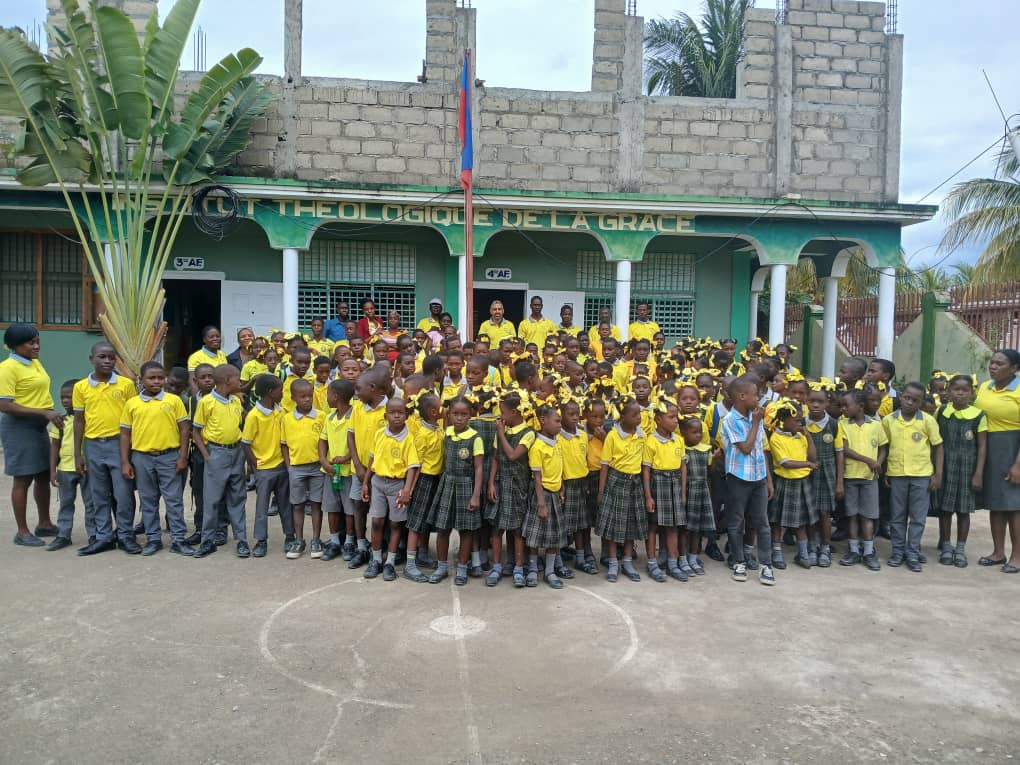
The Grace campus in Cap-Haïtien is not a temporary aid station — it is a permanent, growing hub of education, faith, and community in Northern Haiti.
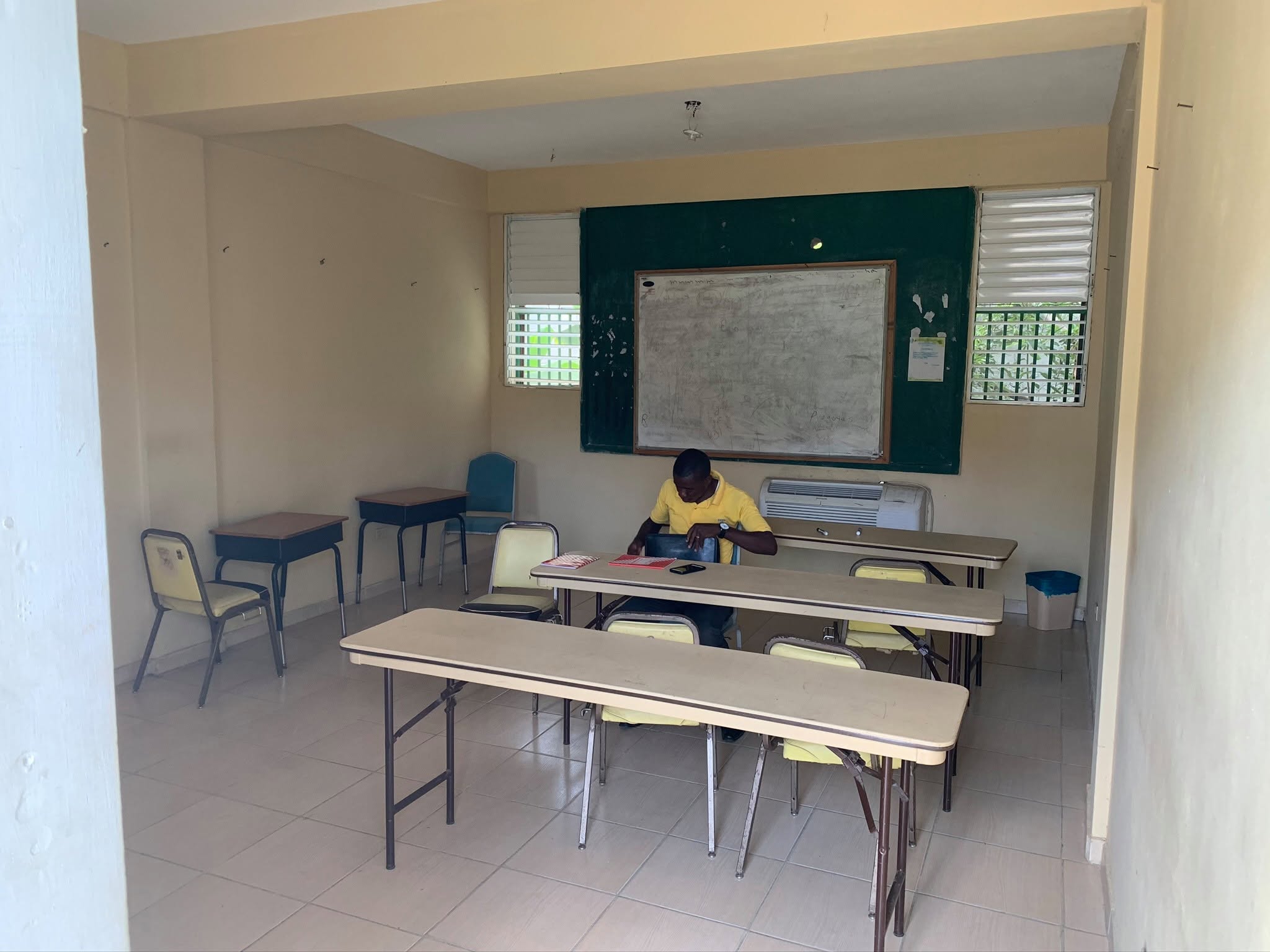
A dedicated space for Institut Théologique de la Grâce (ITG), where church leaders complete a structured 3-year Bible education program. Four graduating classes have passed through these walls.
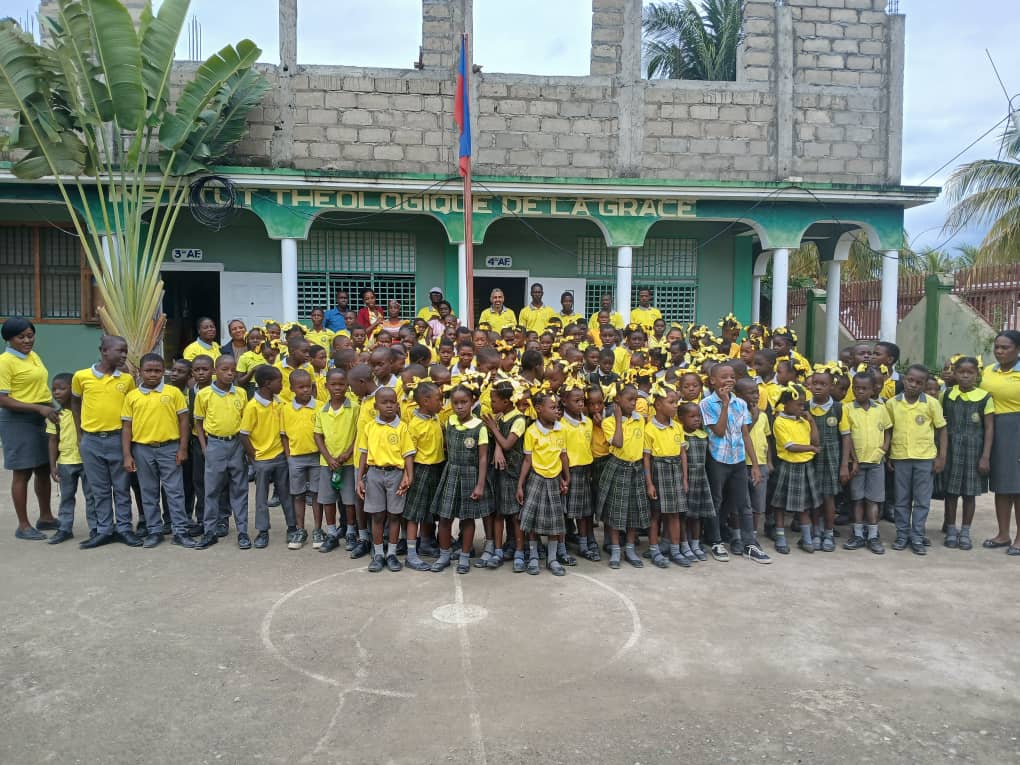
Multiple fully-equipped classrooms serve 120+ children from the surrounding neighborhood. Each room has a qualified teacher, basic supplies, and the space children need to learn — something they would not have otherwise.
A flexible gathering area used for community events, outreach programs, youth activities, and neighborhood meetings. In a city where safe public space is scarce, this matters more than it might seem.
The local church that started it all. The church remains the spiritual heart of the campus — gathering the community in worship, providing pastoral care, and sending trained leaders out to plant new congregations.
A medical clinic adjacent to the campus serves community members with basic health care needs. This is a vital resource in a city where affordable healthcare is extremely limited.
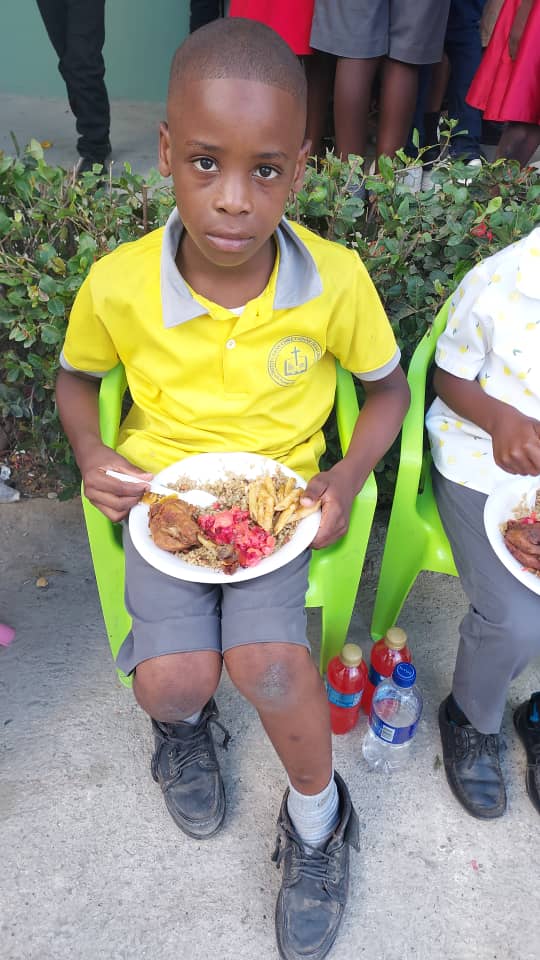
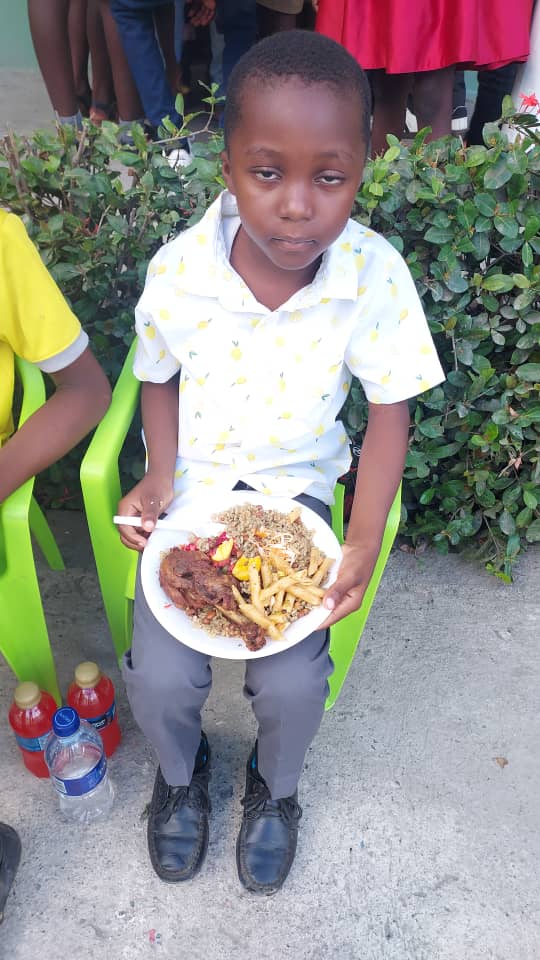
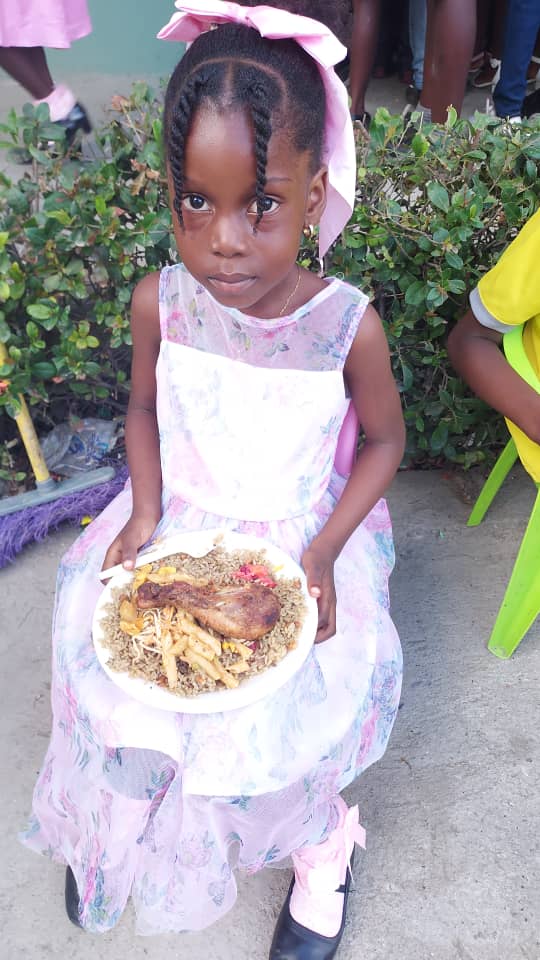
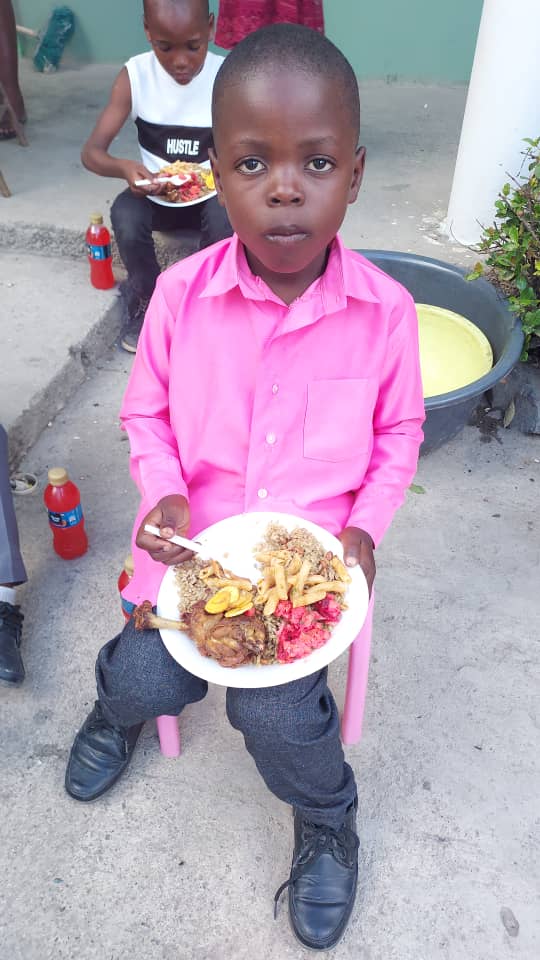
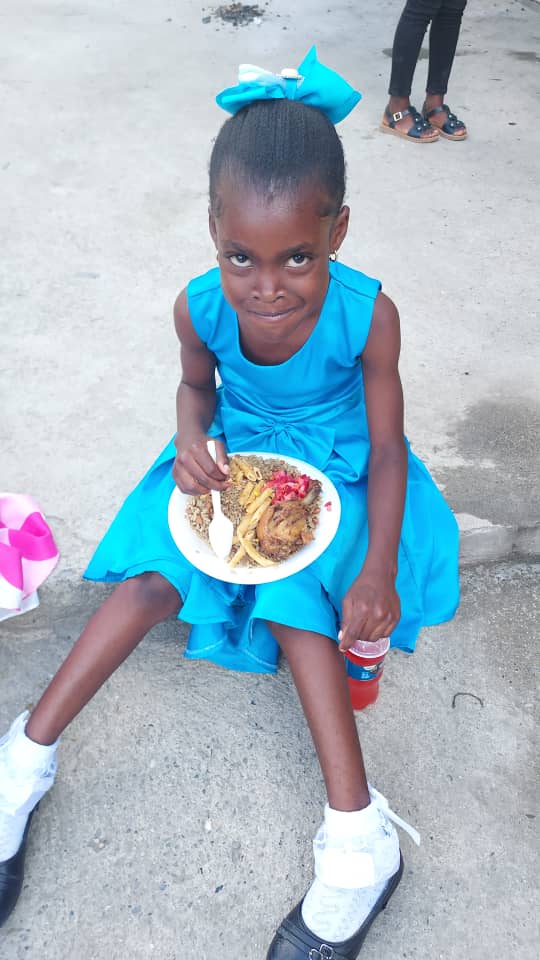
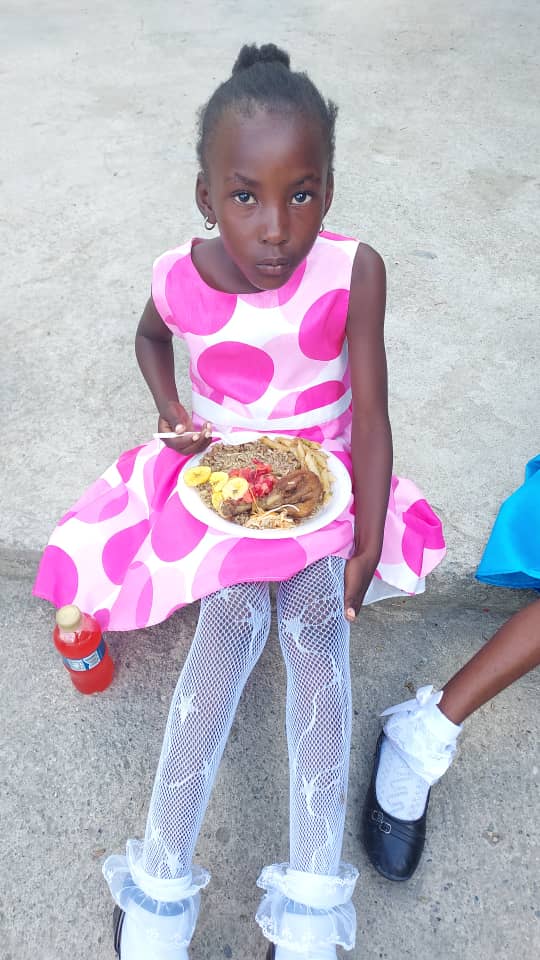
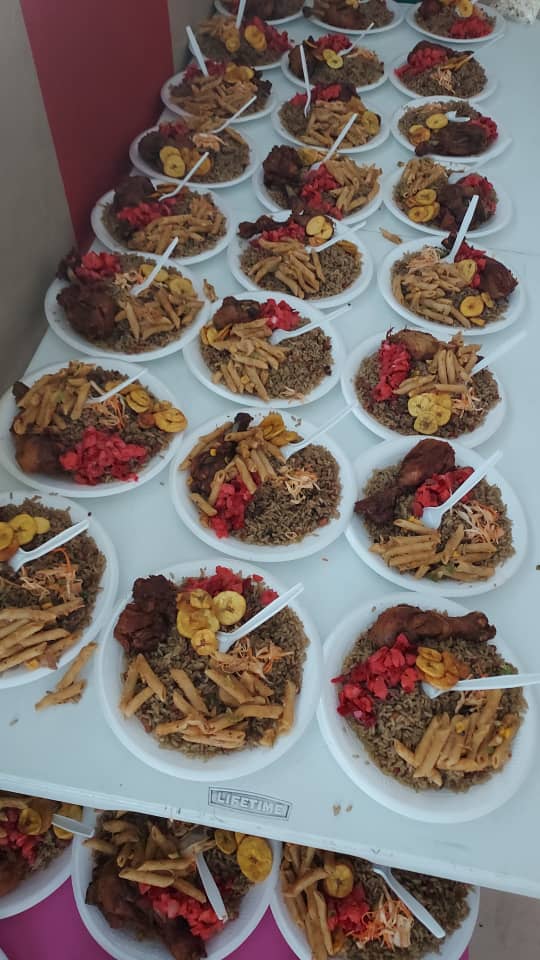
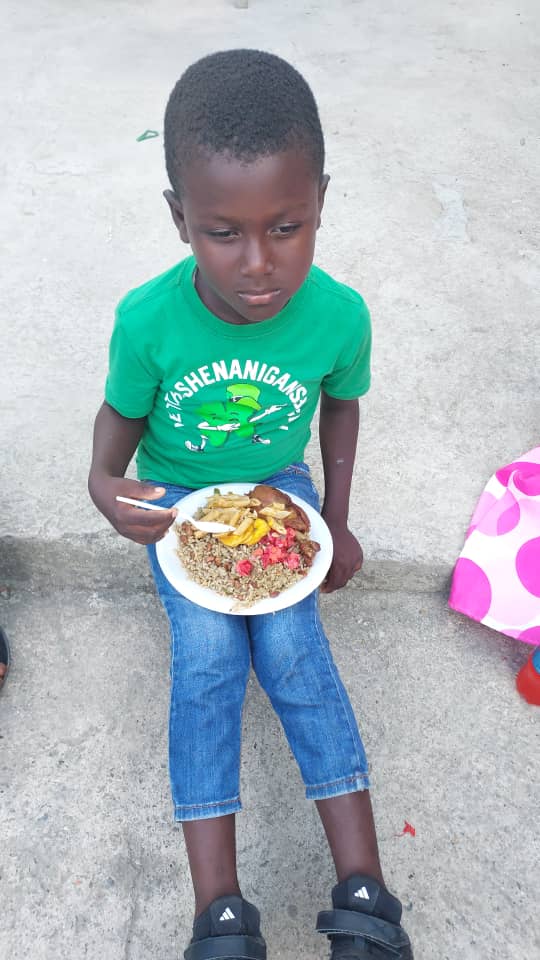
Every school day, our kitchen team prepares hot, nourishing meals for every child enrolled. For many students, this is the only reliable meal they will receive. More than 50,000 meals have been served since the school opened.
Real moments from our team on the ground in Cap-Haïtien — unfiltered and unscripted.
We do not sugarcoat what is happening in Haiti. The challenges are real, and they affect our work every single day.
Gang violence cuts off supply routes. There are weeks when our kitchen cannot access the market because roads into certain neighborhoods are controlled by armed groups. This directly impacts what we can serve our children.
Inflation makes food expensive. Haiti's food prices have skyrocketed due to inflation, supply chain disruption, and currency devaluation. The cost of feeding 120 children daily has increased significantly, straining our budget.
Political instability affects attendance. When tension flares in the city, families keep children home — rightfully so. This affects our ability to maintain consistent enrollment and learning continuity.
Families are in extreme need. Many of the parents of our students are unemployed, under-housed, and struggling to meet the most basic needs. The pressure on families trickles down to children, affecting concentration, attendance, and health.
In spite of all of this — our team stays. Our teachers come to school. Our students show up. That perseverance is not incidental. It is the mission.
The work is not finished. Far from it. Here is what expanded support would make possible.
Our current enrollment is 120. There are dozens more children in our neighborhood who need access to education. More classrooms, more teachers, and more funding would let us reach every one of them.
When children graduate from our school, many have no clear next step. A vocational training program — teaching trades, business skills, and entrepreneurship — could change their economic trajectory entirely.
Haitian women are the backbone of their families and communities. A structured program offering literacy, skills training, micro-enterprise support, and mentorship would create a ripple effect across entire households.
Disruptions to our meals program — caused by supply shortages and budget gaps — are the hardest thing we deal with. A larger food fund reserve would ensure no child ever goes to school without a meal waiting for them.
Our teachers are dedicated, qualified, and underpaid by any standard. Increasing their salaries would reduce turnover, attract more experienced educators, and allow our staff to focus entirely on teaching without financial stress.
The demand for ITG exceeds what we can currently accommodate. A larger cohort of students and expanded faculty would multiply the number of trained leaders serving communities across Northern Haiti.
Every dollar raised goes directly toward keeping the school open, the kitchen running, and the theological institute teaching.
We are $16,500 away from a fully-funded year. Every gift — large or small — moves this bar. Will you help us close the gap?
Our team in Haiti is giving everything they have. They need partners in the United States who believe in what is happening in Cap-Haïtien and are willing to stand behind it.